Discover everything about W metal crash barriers – from types and installation to pricing. Learn why these road safety barriers are essential for highway protection and traffic safety. Expert guide with pricing details.
Introduction
W metal crash barriers represent a crucial component in modern road safety infrastructure. These robust guardrail systems, recognized for their distinctive W-shaped profile, play a vital role in preventing serious accidents and protecting both vehicles and occupants on highways and roads worldwide.
Understanding W Metal Crash Barriers
What Is a W Metal Crash Barrier?
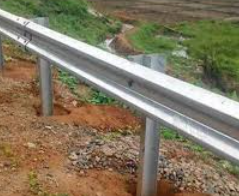
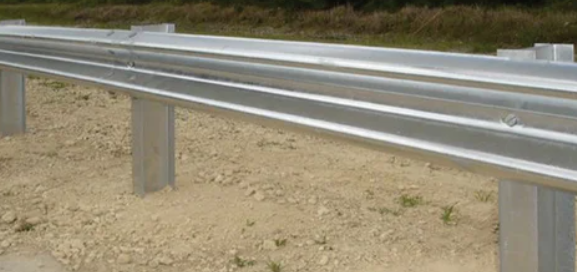
A W metal crash barrier, also known as a W-beam guardrail, is a road safety device designed to redirect vehicles that veer off their intended path. The signature W-shaped corrugation provides optimal strength and impact absorption capabilities, making it one of the most effective road crash barrier systems available.
Key Components and Materials
The system typically consists of:
- Galvanized steel W-beams
- Support posts (usually steel or wooden)
- Spacer blocks
- End terminals
- Connection hardware
Working Principle
When a vehicle impacts the barrier, the W-shaped design:
- Absorbs collision energy
- Redirects the vehicle back to the roadway
- Minimizes damage to both vehicle and barrier
- Reduces risk of serious injury
Types of W Metal Crash Barriers
Single-Sided W Beam Barriers
Most commonly used along roadway edges, these barriers feature W-beams mounted on one side of the support posts. The w metal crash barrier price for single-sided systems is generally lower than other variants.
Double-Sided W Beam Barriers
Installed in medians and high-risk areas, these barriers protect traffic flowing in both directions. While the initial cost is higher, they offer enhanced protection.
Technical Specifications
Standard specifications include:
- Beam thickness: 2.5mm to 3.0mm
- Post spacing: 1.9m to 2.0m
- Height: 706mm to 850mm
- Material grade: S235JR or equivalent
W Metal Crash Barrier Price Factors
Several factors influence the cost:
- Material Quality
- Standard galvanized steel
- Premium grade options
- Coating specifications
- Installation Requirements
- Ground conditions
- Length of barrier needed
- Accessibility of site
- Regional Variations
- Local material costs
- Labor expenses
- Transportation costs
Installation Process
Proper installation ensures optimal performance:
- Site Preparation
- Ground leveling
- Soil testing
- Drainage consideration
- Post Installation
- Correct depth
- Proper spacing
- Alignment verification
- Beam Assembly
- Precise overlapping
- Proper bolt torque
- End terminal installation
Maintenance and Upkeep
Regular maintenance includes:
- Visual inspections
- Bolt tightening
- Damage assessment
- Rust prevention
Benefits and Advantages
- Safety Features
- Effective impact absorption
- Controlled vehicle redirection
- Minimal passenger compartment intrusion
- Cost-Effectiveness
- Lower installation costs compared to concrete barriers
- Reduced maintenance requirements
- Long service life
- Installation Benefits
- Quick deployment
- Minimal traffic disruption
- Adaptable to various terrains
Conclusion
W metal crash barriers remain an essential component of road safety infrastructure. When selecting a system, consider:
- Site-specific requirements
- Budget constraints
- Local regulations
- Long-term maintenance needs
The initial w metal crash barrier price should be weighed against long-term benefits and safety advantages. For optimal results, consult with road safety experts to determine the most suitable system for your specific needs.
Remember: investing in quality road crash barriers is investing in public safety and infrastructure longevity.
136, Vihav Trade Center, Bhayli, Vadodara – 391410